
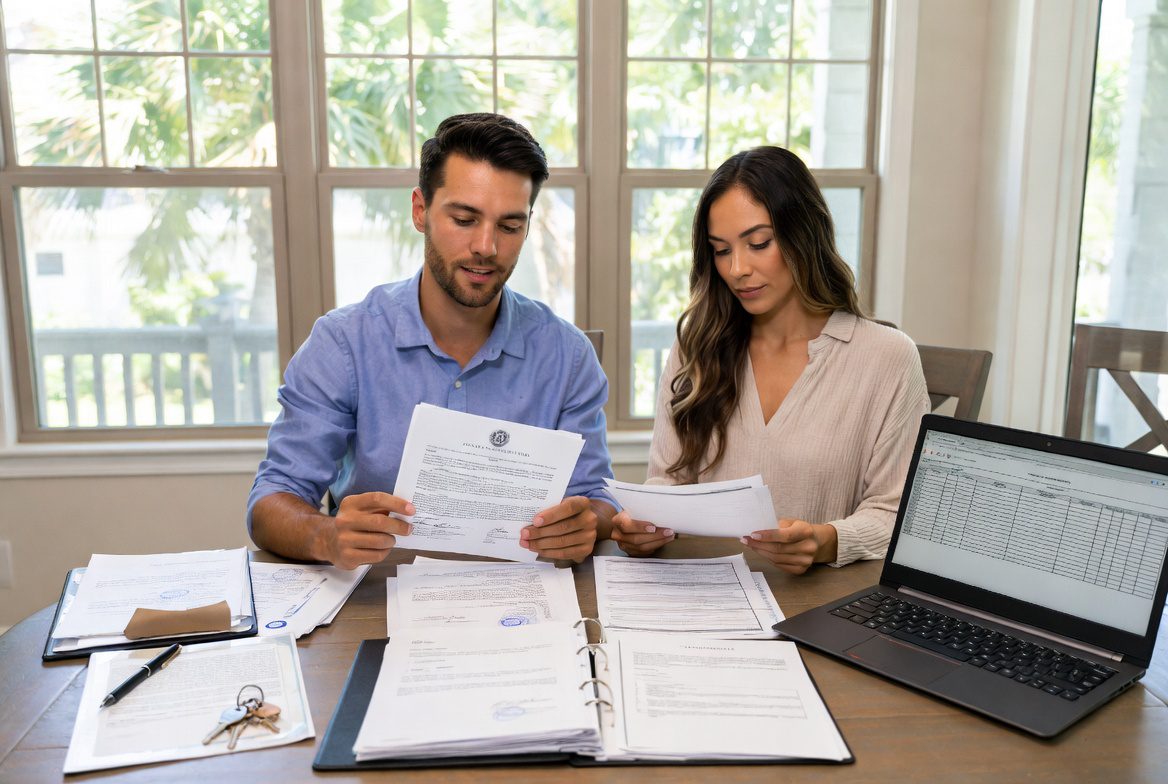
Florida probate follows a defined sequence. Once the court appoints you as personal representative, you receive Letters of Administration — the legal document that gives you authority to act on behalf of the estate.
With Letters of Administration, you can access bank accounts, manage investments, sell property if needed, and begin dealing with creditors. Florida gives creditors 90 days from the date of the first publication of the creditor notice to file claims against the estate.
After the creditor period closes, you pay valid debts, handle any required tax filings, and then distribute remaining assets to beneficiaries as the will directs. The court reviews your accounting and issues an order discharging you from your role.
Formal probate takes most families between 9 and 18 months. Complex estates — those with disputes, tax issues, or business interests — can take longer.
Probate can feel overwhelming when you are also grieving. I work with Orlando families every step of the way — from filing the will to the final deed transfer. Visit Lumsden Law’s Florida Probate page or call (407) 798-7744 to talk through your situation.
How Do You Transfer the Family Home and Other Real Estate?
Real estate is often the most significant asset in a parent’s estate — and it requires specific steps to transfer legally.
Once probate closes and all debts are settled, the personal representative signs a deed transferring the property to the beneficiary named in the will. In Florida, this is typically a Personal Representative’s Deed. It is prepared, executed, and recorded in the county property records where the home sits.
If the home was the primary residence, the homestead exemption may affect how it is distributed. Florida law places restrictions on devising a homestead property when the deceased had a surviving spouse or minor children. These rules can override what the will says — this is one of the most important reasons to work with a Florida probate attorney rather than attempting this alone.
If your parent owned investment property, vacation homes, or land in addition to their primary residence, each property requires its own deed transfer. There are no shortcuts here — every titled asset must be formally transferred through the court process or it remains legally in your parent’s name. Find out how a Lady Bird deed could have — and in future planning can — bypass this process entirely for real estate.
What Assets Pass Outside of Probate Even With a Will?
Not everything your parent owned goes through probate — even if they had a will. Florida law allows certain assets to transfer directly to named beneficiaries without any court involvement.
These assets pass outside of probate:
- Life insurance policies — paid directly to the named beneficiary
- Retirement accounts (IRA, 401k) — transfer to the designated beneficiary
- Bank accounts with a payable-on-death (POD) designation
- Property held in a revocable living trust — distributed by the trustee, not through the courts
- Jointly owned property with right of survivorship — passes automatically to the surviving owner
This matters practically. If your parent had significant assets structured this way, the probate estate could be smaller — and faster to resolve — than you expect. It is also why good estate planning matters. Read more about how to avoid probate in Florida using beneficiary designations and joint accounts.
Frequently Asked Questions About Transferring Property After a Parent Dies With a Will
How long does it take to transfer property after a parent dies in Florida?
In Florida, formal probate typically takes 9–18 months from filing to final distribution. Summary administration — available for estates valued under $75,000 or where the parent died more than two years ago — can be completed in 4–8 weeks. Complex estates with disputes or creditor claims take longer.
Does a will automatically transfer property in Florida?
No. A will does not automatically transfer property in Florida. It must go through probate — a formal court process where the will is validated and the executor is appointed. Only after probate closes can titled assets like real estate and bank accounts be transferred to beneficiaries named in the will.
Who is responsible for transferring property after a parent dies with a will?
The person named as executor (also called personal representative in Florida) is responsible. The executor is appointed by the probate court, gathers the estate’s assets, pays debts and taxes, and transfers property to beneficiaries according to the will’s instructions.
Can you transfer a house without probate after a parent dies in Florida?
Yes, in some cases. If your parent held the home in a revocable living trust, it transfers to beneficiaries without probate. A Lady Bird deed also allows direct transfer to named heirs outside of probate. If the home was jointly owned with right of survivorship, the surviving owner takes title automatically.
Do you need a probate attorney to transfer property after a parent dies in Florida?
Florida law requires a licensed attorney to represent the estate in formal probate proceedings. While summary administration has more flexibility, having an attorney avoids costly mistakes with creditors, tax filings, and deed transfers. A probate attorney protects both the executor and the beneficiaries.
Ready to Transfer Your Parent’s Property?
Ready to start the probate process? At Lumsden Law, I guide Orlando families through every stage — from filing the will to the final deed transfer. Visit my Florida Probate page to understand your options, or call (407) 798-7744 to talk directly. You do not have to figure this out alone — I’ll make sure you feel supported every step of the way.